Fibroids After 40: A Common but Overlooked Concern
If a woman over 40 walks into my OPD with a gynecological issue, there’s a 90% chance it’s fibroids. In fact, most women above 40 whom I see have fibroids—whether they know it or not. The common attitude? “It’s small, harmless, let it be. It will go away after menopause.” But this so-called harmless growth can suddenly expand, putting pressure on the pelvic cavity and causing discomfort.
By the time modern medicine suggests surgical removal, many women turn to Ayurveda, hoping for a natural solution. Unfortunately, in severe cases, medicines may not reverse the damage. That’s why early intervention is crucial. If a woman finds fibroids during a routine check-up, I emphasize the importance of treating it immediately rather than waiting for complications.
What Causes Fibroids? Understanding the Root Issue
Fibroids are cauliflower-shaped tumors that grow in response to excessive or bad estrogen in the body. The smooth muscle cells of the uterus transform and multiply under the influence of hormonal imbalances. Ayurveda identifies fibroids as an Apana Vayu disorder, where energy flow is blocked by excess Kapha. Several diet and lifestyle factors contribute to fibroid formation:
- Chronic bloating, gas, and constipation
- Irregular eating patterns and frequent snacking
- Excessive consumption of dairy products and carbohydrates
- Sedentary lifestyle with prolonged sitting
- Lack of exercise and increased abdominal fat accumulation
Listen to Your Body: Symptoms of Fibroids
Many women ignore the warning signs until fibroids become large and problematic. Be mindful of these symptoms:
- Heavy menstrual bleeding with clots and excessive flow
- Spotting before or after cycles
- Short, frequent menstrual cycles
- Feeling of pressure or pain in the lower abdomen
- Increased urgency or frequency of urination
- Leakage of urine due to bladder compression
- Painful menstrual cycles
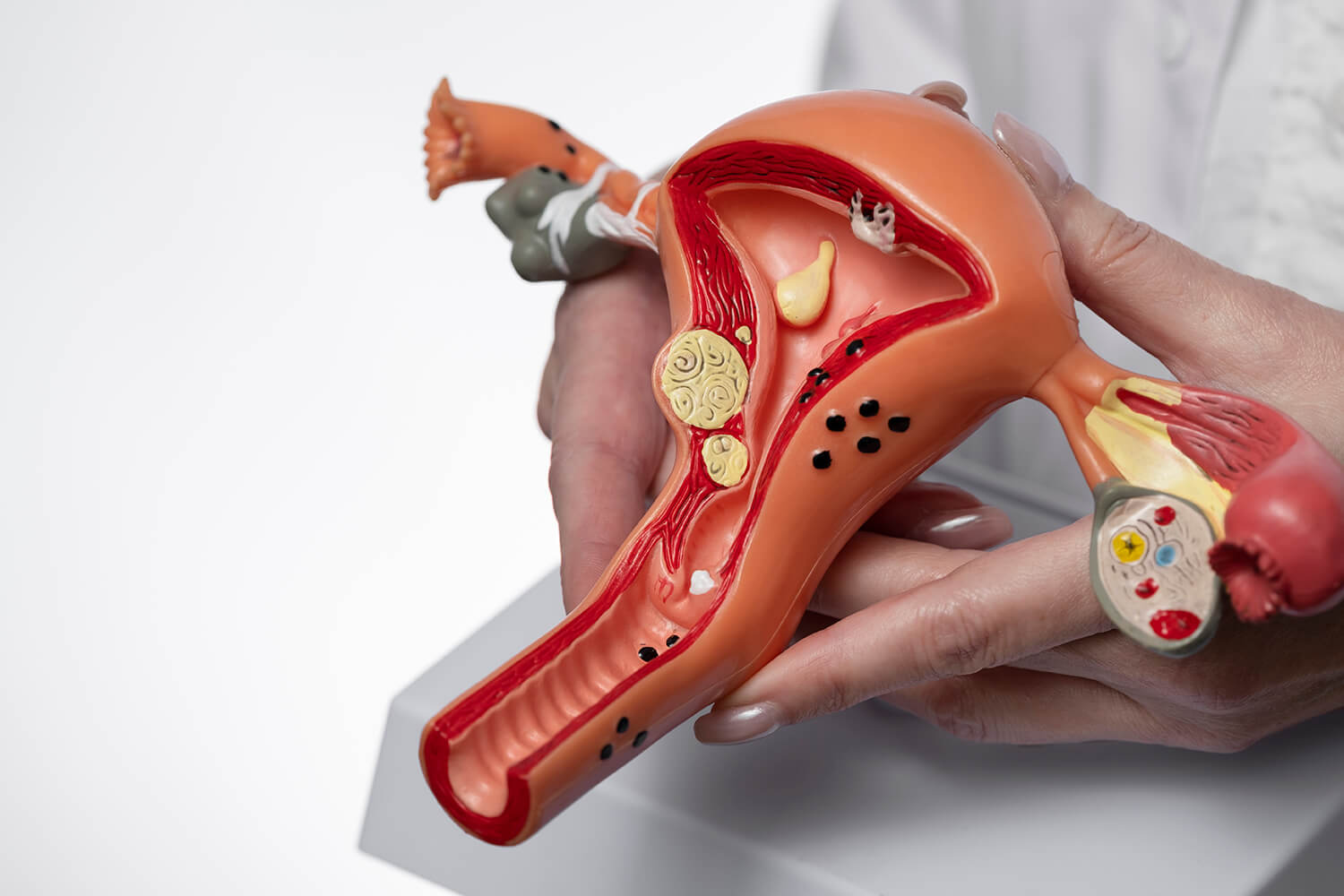
Types of Fibroids: Know Where They Are Growing
Fibroids are classified based on their location inside or outside the uterus:
- Subserosal Fibroids – Grow on the outer surface of the uterus.
- Intramural Fibroids – Develop within the uterine wall.
- Intra-cavity Fibroids – Grow inside the uterine cavity, affecting menstrual flow and fertility.
Small fibroids measure less than 3 cm, medium ones range from 3–6 cm, and large fibroids exceed 6 cm. I have seen women carrying fibroids as large as 15 cm, causing severe symptoms.
Ayurvedic Approach: Shrinking Fibroids Naturally
Ayurveda treats fibroids holistically by focusing on diet, lifestyle modifications, and detoxification. Since estrogen is produced in excess by fat cells, reducing excess weight—especially abdominal fat—is a primary goal of treatment. This process, known as Lekhana, is achieved through Panchakarma therapies and specific herbal formulations.
- Balancing Hormones & Detoxification
- Panchakarma therapies like Virechana (purgation) and Basti (medicated enemas) help remove toxins and excess estrogen.
- Herbs like Ashoka, Kanchanar Guggulu, and Turmeric help regulate hormonal imbalances and shrink fibroids.
- Clearing Blocked Kapha in the Pelvic Region
- Fibroids are a result of excess Kapha accumulation, leading to growths. Ayurvedic medicines help dissolve and eliminate these excess tissues naturally.
- Symptomatic Relief & Managing Heavy Bleeding
- If fibroids cause excessive bleeding, treatment begins by regulating blood flow to prevent further fibroid growth.
- Herbs like Lodhra and Shatavari help strengthen the uterus and balance estrogen levels.
- Early Intervention for Maximum Benefit
- If fibroids are detected early, oral medicines and dietary changes alone can help prevent further growth.
- Larger, symptomatic fibroids require a more intensive detox process, but Ayurvedic treatment can still help shrink them and manage symptoms effectively.
Diet & Lifestyle Tips to Keep Fibroids in Check
- Adopt a Kapha-pacifying diet—light, warm, and easily digestible meals.
- Avoid excessive dairy, processed sugar, and refined carbohydrates.
- Incorporate anti-inflammatory foods like turmeric, ginger, and flaxseeds.
- Maintain an active lifestyle with daily movement and yoga.
- Keep digestion healthy—ensure regular bowel movements to eliminate toxins effectively.
- Reduce stress, as high cortisol levels can disrupt hormonal balance.
FAQs: Your Concerns About Fibroids Answered
- Can fibroids be cured completely with Ayurveda?
- Ayurveda helps shrink fibroids and manage symptoms naturally. Early intervention gives the best results, preventing the need for surgery.
- Do all fibroids require treatment?
- Yes it needs to be completely treated by natural methods. Sometimes identifying root cause and lifestlye modification can treat them without medicines .
- How long does Ayurvedic treatment take to show results?
- Most women see improvement within 3–4 months, depending on the size and severity of the fibroids.
- Can Ayurveda prevent fibroids from coming back?
- Yes! By balancing hormones, maintaining a healthy weight, and detoxifying regularly, recurrence can be effectively prevented.
Take Control of Your Uterine Health Today
Fibroids don’t have to disrupt your life. With Ayurveda’s holistic approach, you can take charge of your health and manage fibroids naturally—without invasive surgery. If you’ve been diagnosed with fibroids or are experiencing symptoms, let’s work together to restore balance. Book a consultation today and begin your journey toward healing!